
Why luck matters more than skill in gambling
The Nature of Gambling: A Game of Chance
At its core, gambling is fundamentally about chance. While many players delve deep into strategies and analytical methods to improve their odds, the unpredictable nature of games like slots, roulette, or blackjack underscores that luck plays a critical role. For instance, in a game of roulette, where the ball lands is entirely random, and while players can place informed bets, ultimately, the outcome relies heavily on chance. Among the many options available, some enthusiasts find the best online pokies especially exciting, as this inherent unpredictability is what gives gambling its thrilling appeal, as each spin of the wheel or flip of the card could lead to fortune or loss.
Additionally, the randomness applies not only to the games themselves but also to the psychological dimensions of gambling. Gamblers often experience hot and cold streaks, where a series of wins might suddenly shift to losses. These fluctuations can occur irrespective of a player’s experience or skill level. The highs and lows can evoke intense emotions, reinforcing the idea that luck outweighs skill in many gambling scenarios. This unpredictability can be enticing, drawing players back for just one more attempt at deciphering their fortune.
Ultimately, the essence of gambling being a game of chance means that no amount of skill can guarantee success. While players can improve their understanding of games and employ strategies that might slightly improve their odds, they cannot control the randomness that determines outcomes. This reality is what separates recreational gamblers from professional strategists; the former often embrace the unpredictability of luck, understanding that it can rapidly change the tides within any game.
The Illusion of Skill in Gambling
Many players believe that skill can significantly enhance their gambling experience, leading them to engage in extensive research and practice. However, this perception can often be misleading. In skill-based games like poker, a player’s experience and decision-making can indeed provide a slight edge over less experienced opponents. Yet, even in these circumstances, luck is an uncontrollable factor that can alter the flow of the game in an instant. A player may bluff brilliantly, yet if the cards do not come together at the right moment, the outcome can still be unfavorable.
Moreover, the allure of skill sometimes leads to overconfidence, with players believing they can overcome the inherent randomness of the games. This overconfidence can manifest in tendencies to chase losses or engage in reckless betting strategies. For instance, a seasoned blackjack player may feel invincible after a winning streak, only to face a series of losses due to unfavorable card distributions. This highlights a critical point: relying solely on skill can create a false sense of security, ultimately overshadowing the significant role of luck.
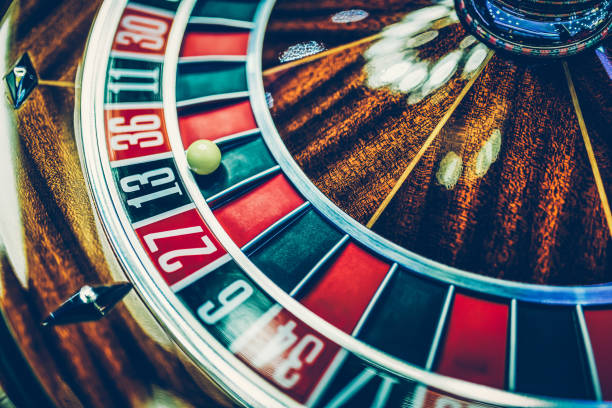
Additionally, many gambling environments are increasingly designed to highlight a player’s skill while subtly embedding elements of luck. Online platforms often introduce leaderboards or tournaments, fostering a sense of competition that emphasizes skill. However, the random number generators behind the scenes ensure that luck continues to be the deciding factor. This ongoing tension between skill and luck fuels the excitement of gambling, making it essential for players to recognize the limitations of their skills against the backdrop of chance.
The Role of Luck in Different Gambling Games
The impact of luck varies significantly across different types of gambling games. In games of pure chance, such as slot machines or lotteries, players have no influence over the outcome. These games are strictly determined by random number generators, ensuring that every spin or draw is independent of the last. In these scenarios, the player’s only control lies in their willingness to play, highlighting that luck is the sole determinant of their success or failure.
Conversely, games that entail an element of skill, such as poker or sports betting, still heavily rely on luck. Although players can develop strategies and tactics to enhance their gameplay, luck frequently influences the cards dealt, injuries in sports, and other unforeseen events. For example, a poker player may have a solid hand but can still lose to a player who draws a better hand on the river. This illustrates how even skill-gleaned decisions can be upended by sudden shifts of fortune, emphasizing that luck remains a significant factor in all forms of gambling.
Moreover, the psychological aspect of luck can also affect how players handle their gambling experiences. A lucky win can boost a player’s confidence and lead them to take larger risks, while a streak of bad luck can result in caution or withdrawal. This cycle of emotions showcases how luck shapes not just the outcomes of gambling but the overall player experience, providing an essential layer of influence in the gambling world.
The Psychology of Luck in Gambling
The psychology surrounding luck in gambling plays a vital role in how individuals perceive their chances of winning. Gamblers often exhibit cognitive biases, such as the hot hand fallacy, where they mistakenly believe that a winning streak will continue indefinitely. Conversely, players might succumb to the gambler’s fallacy, where they assume that past losses mean they are “due” for a win. Both misconceptions reveal how the human brain grapples with the notion of luck, impacting decision-making at the gambling table.

Moreover, lucky charms, rituals, and superstitions frequently permeate the gambling culture. Many players associate certain behaviors or objects with enhancing their luck, such as wearing a specific article of clothing or following a personal routine. These beliefs, while lacking any scientific basis, can influence a player’s mindset and approach to gambling. The power of belief in luck can significantly affect a player’s confidence and enjoyment, regardless of the actual probability of winning.
Lastly, the gambling environment itself plays a crucial role in shaping perceptions of luck. Casinos and online platforms often employ visually stimulating elements, music, and interpersonal dynamics that can create a sense of excitement around lucky outcomes. This environment reinforces the concept of luck, leading players to focus on the thrill rather than purely on skill. Understanding this psychological interplay is essential for gamblers, as it can deeply influence both their strategies and overall experience.
Your Ultimate Guide to Gambling Strategies and Luck
For anyone interested in understanding the dynamics of gambling, seeking sources that articulate the balance between luck and skill can be invaluable. Numerous platforms provide insights, resources, and community discussions that explore various strategies without losing sight of luck’s pivotal role. Engaging with these resources can equip players with a comprehensive view of how to approach gambling effectively.
These resources often delve into game mechanics, probabilities, and even player experiences, giving aspiring gamblers the tools they need to navigate the complex landscape of luck and skill. The aim is not to eliminate luck but to understand and incorporate it into one’s gambling strategy. By appreciating the role luck plays, players can potentially minimize losses while maximizing enjoyment from their experiences.
In conclusion, while skill can enhance a player’s understanding of gambling, luck remains the most determining factor in outcomes. By embracing this reality and enhancing one’s knowledge through various resources, players can enjoy a well-rounded gambling experience that acknowledges both elements, ultimately ensuring they have fun while trying their luck.