
Why casinos thrive: an insider’s perspective
The Psychology of Gambling
The success of casinos isn’t merely rooted in their physical offerings but deeply intertwined with psychological elements that attract gamblers. One of the key aspects is the concept of risk and reward. The thrill of potentially winning money creates an adrenaline rush that is hard to resist. For instance, the appeal of platforms like 1win can significantly enhance the overall gaming experience, as gamblers often find themselves enveloped in an environment designed to heighten these sensations, such as vibrant lights, captivating sounds, and well-placed imagery that evokes excitement. All these factors create a psychological atmosphere conducive to gambling.
Alongside the allure of winning, casinos employ sophisticated techniques such as the illusion of control. Players are often led to believe that they can influence outcomes, whether through strategy or skill. This sense of agency keeps them engaged and encourages them to play longer. The reality, however, is that the house always has the edge, but this psychological manipulation ensures that players return for more, continuously creating a cycle of experience and anticipation.
Furthermore, casinos often cultivate a social aspect to enhance the experience of gambling. From poker tables to slot machine clusters, players engage with both friends and strangers, forming connections through shared experiences. This social interaction provides a layer of enjoyment beyond the mere act of gambling, making the casino a social hub. Such environments can create lasting relationships and a sense of community, reinforcing the desire to revisit the venue and engage in the gambling experience.
Luxurious Atmospheres and Amenities
Casinos have mastered the art of creating luxurious settings that are both inviting and exhilarating. The ambiance in these establishments typically features high-end decor, plush furnishings, and attentive service that makes guests feel special. This luxurious atmosphere becomes part of the allure, drawing in individuals looking for an escape from their daily lives. The opulence of a casino entices patrons not just to gamble but also to indulge in fine dining, boutiques, and entertainment options, broadening the overall appeal.
Additionally, many casinos offer diverse amenities that enhance the overall experience. These can include gourmet restaurants led by renowned chefs, lavish bars, and world-class entertainment options ranging from concerts to comedy shows. By providing an all-encompassing experience, casinos encourage guests to spend more time and money on the property, creating a sense of indulgence. This multifaceted approach turns casino visits into an event rather than just a gambling session, ensuring repeat customers.

The attention to detail in crafting these luxurious atmospheres is no accident. Casino operators meticulously design their spaces to encourage flow and exploration. Visitors are often led through a carefully curated path that exposes them to various gaming options, dining locations, and entertainment venues. This design strategy not only boosts spending but also enhances the likelihood of visitors returning, as they associate the venue with positive experiences and indulgences beyond gambling.
The Role of Marketing and Promotions
Effective marketing strategies play a significant role in the thriving nature of casinos. By leveraging targeted promotions, casinos attract a diverse clientele, ensuring that they appeal to both seasoned gamblers and those new to the experience. Promotions such as bonuses, free play, and loyalty programs are designed to entice players and maintain engagement. These strategies encourage patrons to return, reinforcing their loyalty while simultaneously bringing in new visitors through enticing offers.
Moreover, casinos deploy extensive marketing campaigns through various channels such as social media, email newsletters, and traditional advertisements. By showcasing their latest promotions, events, and amenities, casinos keep themselves in the public eye and generate buzz. They often use influencers to reach broader audiences, presenting themselves as a trendy destination for entertainment rather than just a place to gamble. This branding is crucial in elevating the casino’s status and attracting visitors looking for a complete entertainment experience.
Another aspect of marketing is the use of data analytics to understand customer preferences and behaviors. By analyzing data from loyalty programs and gameplay, casinos can tailor their offerings to meet the changing tastes of their patrons. This personalization creates a more engaging experience, encouraging customers to return frequently. In essence, the marketing strategies employed by casinos go beyond mere advertisements; they intricately weave into the overall experience, ensuring that customers feel valued and catered to.
The Economic Impact of Casinos
The economic implications of casinos extend far beyond the walls of their establishments. They generate significant employment opportunities, providing jobs not only within the casino but also in ancillary services such as hotels, restaurants, and local businesses. The influx of visitors to casino cities stimulates local economies, contributing to tax revenues that can be redirected into public services and infrastructure. This creates a symbiotic relationship between the casino and the surrounding community, enhancing the overall economic landscape.
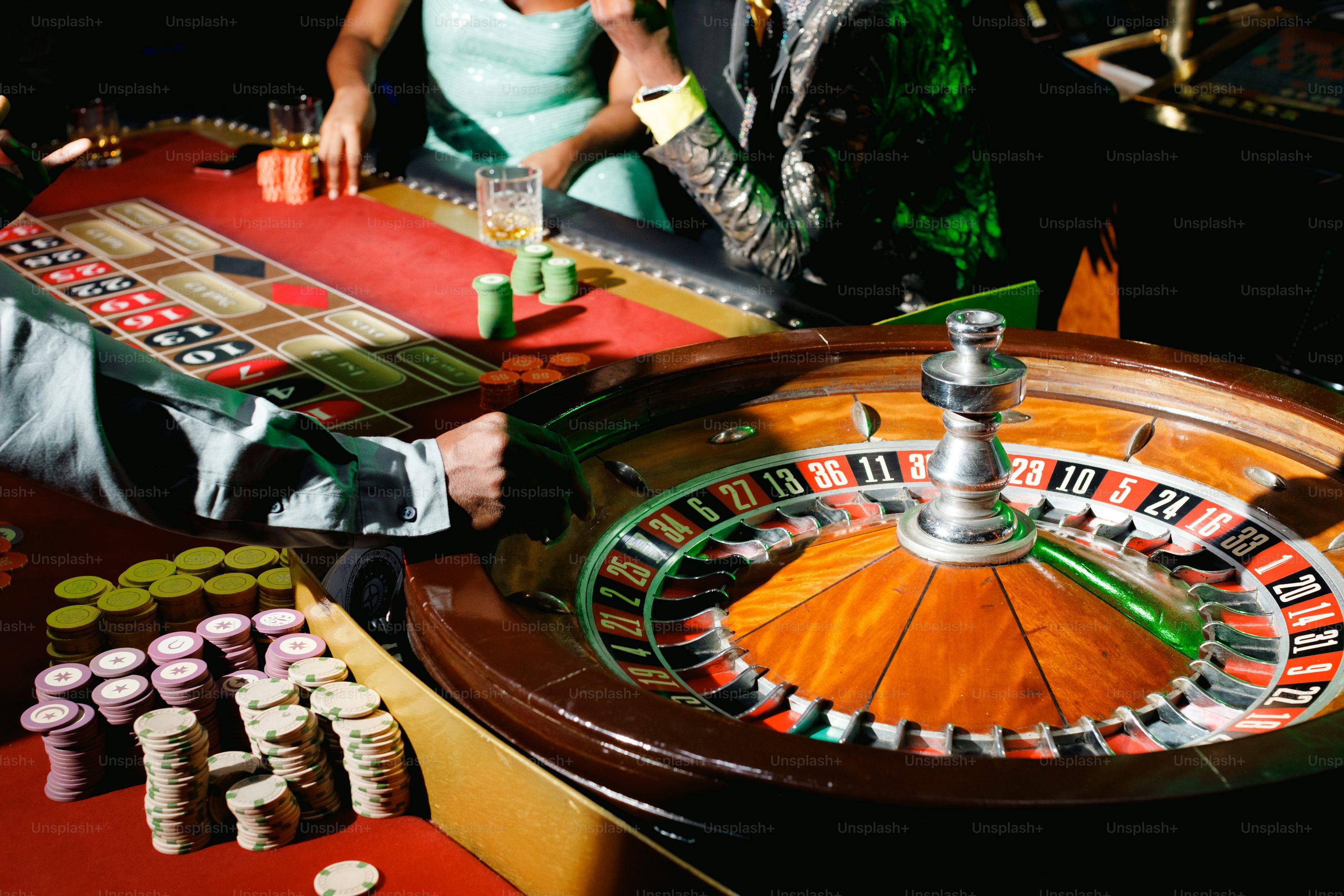
Furthermore, casinos often lead to the development of surrounding areas. As they thrive, they attract additional businesses, leading to urban renewal and increased investments. Shopping centers, entertainment venues, and restaurants frequently flourish in tandem with casino growth, creating a hub of activity that benefits both locals and tourists. This holistic economic impact solidifies the importance of casinos as catalysts for regional growth and development.
However, it’s essential to recognize and address the social implications of casino growth. While they provide economic benefits, there is also a responsibility to mitigate the potential downsides of gambling addiction and related issues. Many casinos invest in programs to promote responsible gaming and provide resources for those seeking help. Balancing economic benefits with social responsibility is crucial in maintaining a positive relationship between casinos and the communities they inhabit.
Conclusion: The Future of Casinos
As the landscape of entertainment continues to evolve, the future of casinos appears promising yet challenging. With the rise of online gambling platforms, traditional casinos must adapt to maintain their allure. Many are incorporating technology, such as mobile apps and innovative gaming experiences, to bridge the gap between physical and digital gambling, ensuring they stay relevant in an ever-changing market. This integration of technology enriches the customer experience while appealing to a broader audience seeking convenience.
Moreover, as consumer expectations shift towards sustainability and ethical practices, casinos are also beginning to adopt greener operational standards. From energy-efficient buildings to eco-friendly practices, embracing sustainability not only attracts conscientious consumers but also enhances the casino’s reputation as a responsible establishment. This pivot towards sustainability may define the next wave of casino development, drawing in guests who prioritize environmentally friendly choices.
In conclusion, casinos will continue to thrive due to their ability to create immersive experiences that combine psychological manipulation, luxury, targeted marketing, and economic contributions. As they evolve with technological advancements and societal expectations, their potential for success remains robust. By understanding and adapting to these factors, casinos can ensure their place as a dominant force in the entertainment industry for years to come.